
Alcohol Intolerance: Symptoms, Tests & Alcohol Allergy
Recognizing the difference between alcohol intolerance and alcohol allergy is crucial for proper management. For alcohol intolerance, the primary preventive measure is to avoid alcohol altogether. It is important to note that medications and therapies should only be used under the guidance and supervision of a healthcare professional. They will assess your individual needs and determine the most appropriate course of action to manage your alcohol intolerance effectively. In some cases, individuals with alcohol intolerance may choose to consume alcohol in moderation. This involves carefully managing their intake and being mindful of their body’s response.
Genetic Factors:
Beyond enzyme deficiencies, other factors can contribute to intolerance. For example, some individuals may react to ingredients such as sulfites or histamines present in beer, wine or spirits. The common thread is that alcohol intolerance typically involves a predictable, unpleasant response soon after consuming alcohol — often with only a small volume of intake.
Risk factors
While a blood allergy test can help identify an allergy to certain components in alcoholic beverages, it won’t confirm alcohol intolerance. It’s important to consult with a healthcare provider, who can provide appropriate testing and treatment options based on a detailed medical history and observation of symptoms. Alcohol intolerance isn’t just about preferring mocktails; it’s a physical reaction triggered by marijuana addiction specific components in alcoholic beverages. Histamines, sulfites, and congeners—byproducts of fermentation and aging—are common culprits. Keep a detailed drink diary to track what you consume and how your body responds. For instance, red wine is high in histamines and sulfites, while clear liquors like vodka or gin tend to have fewer congeners.
Not sure if you have alcohol intolerance or allergies? Learn how to get an allergy test.
Alcohol intolerance refers to the body’s inability to effectively break down and process alcohol. It is often caused by a deficiency in the enzymes responsible for metabolizing alcohol, such as alcohol dehydrogenase (ADH) or aldehyde dehydrogenase (ALDH). It’s important to monitor your symptoms and seek medical advice when needed. Yes, it can develop unexpectedly due to aging, underlying health issues, or interactions with new medications that affect how your body processes alcohol. At Medicover, we understand how challenging alcohol intolerance can be. Our specialists offer personalised care plans based on accurate diagnostics and patient education.
Alcohol Allergy vs. Alcohol Intolerance
- If these measures fall short, embrace abstinence as a proactive choice for your health.
- We combine personalised nutrition guidance, lifestyle counselling, and pharmacological support to help patients manage their symptoms effectively.
- By connecting with others and increasing your knowledge about alcohol intolerance, you can gain a sense of community and empowerment in managing your condition.
- Whether you’re drinking beer, wine or hard liquor, the symptoms of alcohol intolerance are the same.
- However, this term is both potentially offensive and not entirely accurate.
- Limiting intake to one drink per hour allows your body to metabolize alcohol more effectively, reducing the risk of overwhelming your system.
Your provider can help get to the bottom of your symptoms and recommend the best next steps. They don’t have one of the active enzymes needed to process alcohol — alcohol dehydrogenase (ADH) or aldehyde dehydrogenase (ALDH). Alcoholic drinks can what is alcohol intolerance also trigger an allergic reaction to food if you consume the two together, as alcohol can interfere with the gut lining.
- Understanding these genetic factors helps explain why some people experience severe discomfort while others drink without issues.
- Healthcare professionals and specialists can provide the necessary support, guidance, and interventions to help you navigate this condition and improve your quality of life.
- It is often caused by a deficiency in the enzymes responsible for metabolizing alcohol, such as alcohol dehydrogenase (ADH) or aldehyde dehydrogenase (ALDH).
- With alcohol intolerance, your body isn’t reacting to the presence of alcohol; it’s simply taking a long time to break alcohol down and flush it from the body.
A provider can listen to your symptoms and may suggest looking for other possible causes. Instead of focusing on drinking, focus on socializing with friends and family. Participate https://kdpharma.com.vn/25-best-songs-about-sobriety-and-addiction/ in activities that don’t involve alcohol such as board games or sports.
- Dr Fox explains that the science behind this is that dangerous levels of enzymes are accumulating in the cells of your body when you drink alcohol, and they cannot be broken down.
- For example, some individuals may react to ingredients such as sulfites or histamines present in beer, wine or spirits.
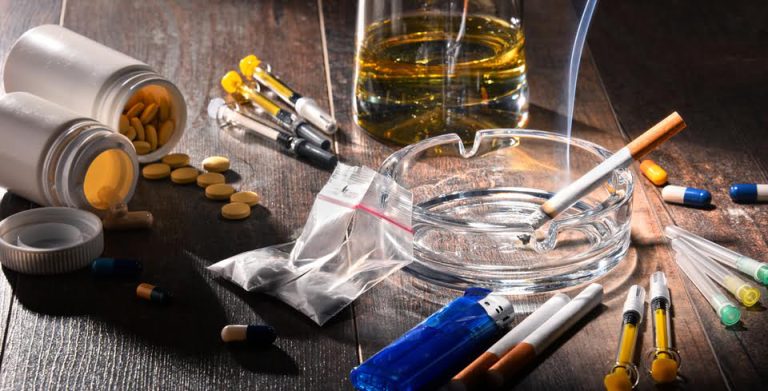
By implementing these treatment strategies, individuals with alcohol intolerance can effectively manage their condition and enjoy social gatherings without compromising their well-being. It’s important to find what works best for each individual and make choices that prioritize their health and comfort. It’s important to differentiate between these two conditions because they require different treatments and management strategies.
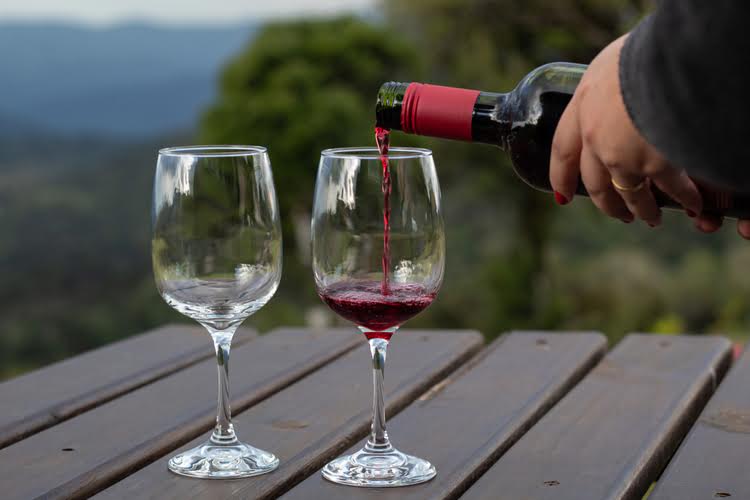
If you experience unusual symptoms after drinking, such as severe headaches or gastrointestinal distress, consider medication interactions as a potential cause. Alcohol intolerance often stems from underlying health conditions that complicate its resolution. For instance, individuals with Hodgkin’s lymphoma may experience intolerance due to the body’s immune response to alcohol, which typically resolves post-treatment. Conversely, conditions like non-Hodgkin’s lymphoma or hepatitis can cause permanent intolerance due to irreversible liver damage.


Comments (0)